
Spotlight: Facial Dynamics – supporting recovery and confidence through remote facial rehabilitation
Our Extended Reality (XR) for Community Healthcare Grants Programme is designed to help SMEs explore, develop and test XR technologies that are geared towards NHS adoption. We provide companies with targeted support, involving academic experts and technical specialists from the University’s Virtual Engineering Centre (VEC) as well as clinicians and patients from our NHS partners. Our aim is to improve outcomes for patients and professionals whilst supporting the growth of XR businesses working with the health sector in the UK.
One of this year’s grant recipients, Life Analytics Ltd, has developed Facial Dynamics - a product which is addressing the clinical and psychological impact of facial palsy through remote monitoring and augmented reality
Facial palsy affects thousands of people in the UK every year. Many patients require ongoing speech and language therapy to support recovery yet demand for these services far exceeds capacity. Long waiting times and limited therapy hours are common, meaning people often receive less intensive support than recommended. Beyond the physical symptoms, facial palsy often has a significant psychological impact. Changes in facial movement often affect confidence, social interaction and the ability to return to work. Many people require ongoing support, sometimes including additional clinical intervention for anxiety or low mood linked to their condition.
Facial retraining therapy is a well-established rehabilitation technique that helps patients regain facial movement and control. However, sticking to repetitive daily exercises can be difficult, especially when progress feels slow. Traditional approaches often rely on mirror work or in-person supervision, which can be uncomfortable for some patients. Many people living with facial palsy find it distressing to see their altered reflection, which can reduce engagement with therapy.
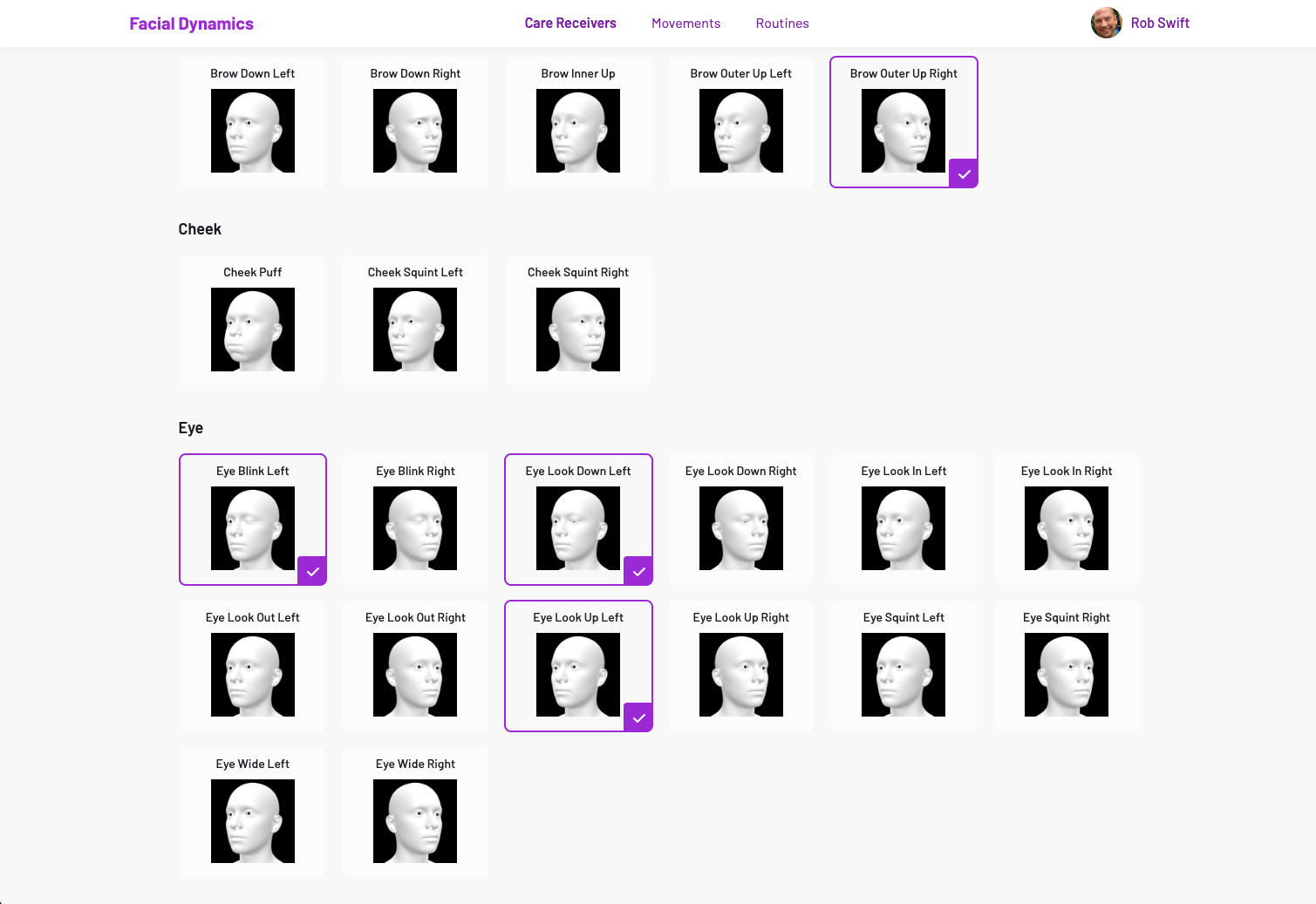
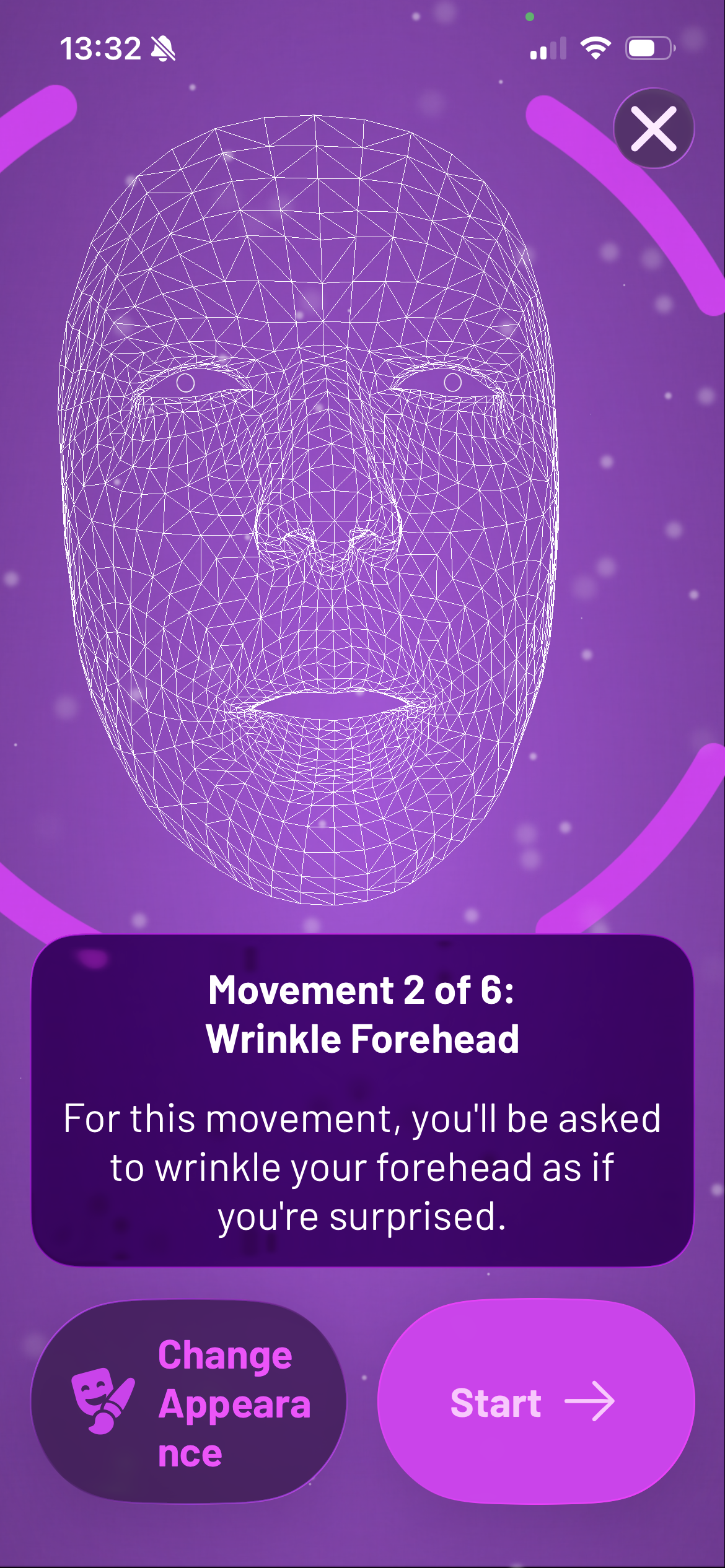
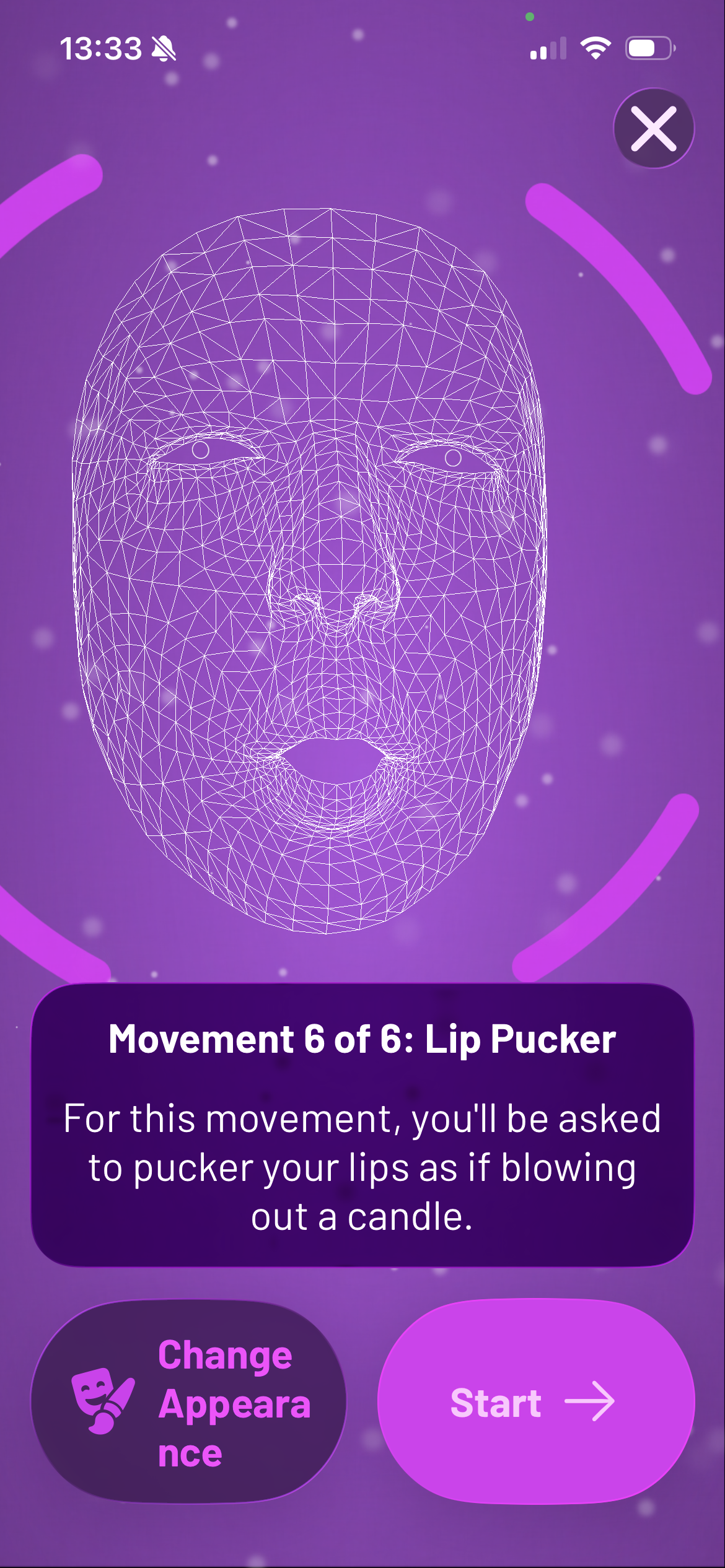
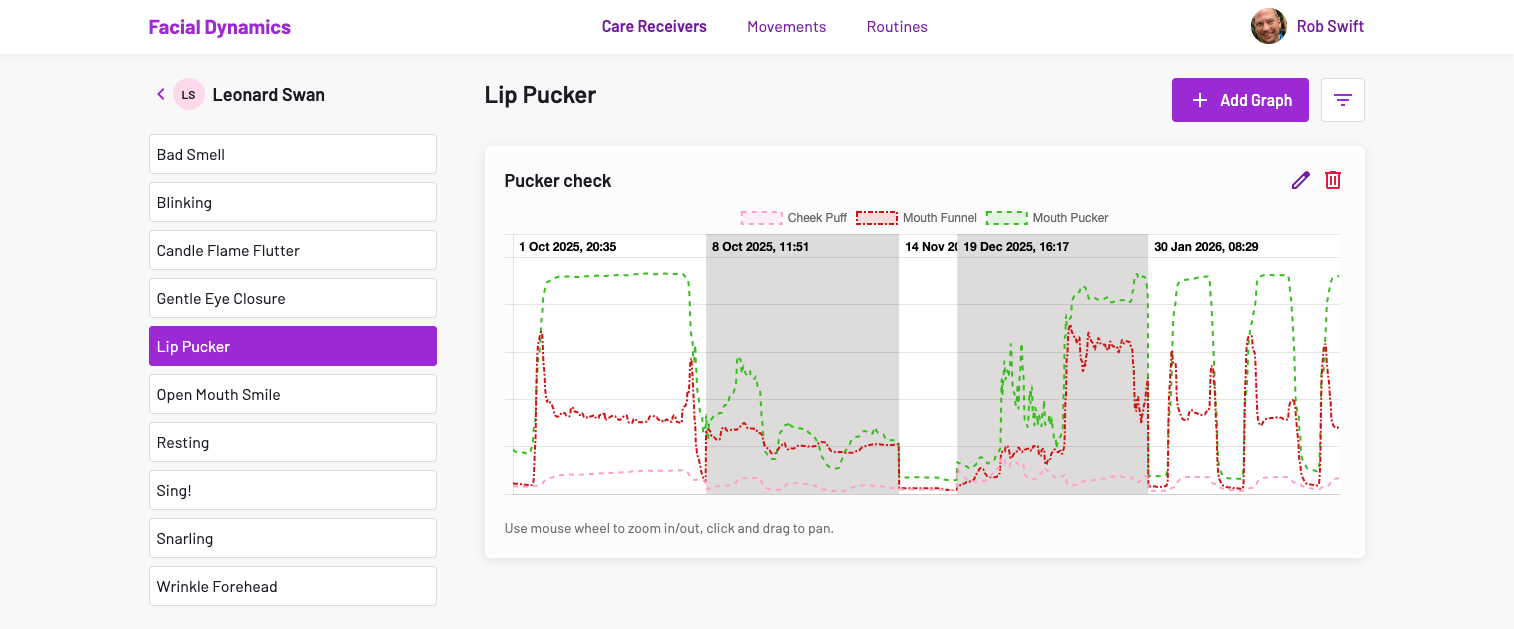
Facial Dynamics approaches this differently. Using augmented reality and advanced facial tracking, the platform shows users a digital representation of their face rather than a direct mirror image. This allows patients to practise exercises without the emotional discomfort that can come from seeing visible asymmetry. The system provides clear visual prompts and structured routines, while capturing objective movement data and video evidence that clinicians can review and analyse remotely. By combining guided rehabilitation with remote monitoring, Facial Dynamics supports patients to continue therapy at home while enabling clinicians to track measurable progress and adjust care where needed.
James Coleman, Founder of Life Analytics Ltd, said:
“For Life Analytics, the CHI-Zone small grants programme offers focused time and clinical access to develop a new feature designed to improve the rehabilitation experience. As a small start-up, balancing product development with commercial growth can be difficult.”
The grant funding has enabled the team to implement a new real-time “mirror” feature. This function mirrors one side of the user’s face onto the other, creating the impression of symmetry while they complete their exercises. Unlike a static mirror box approach, the augmented reflection tracks movement in real time, allowing users to move naturally rather than staying fixed in one position.
The programme is also connecting Facial Dynamics with clinicians who regularly work with people living with facial palsy. This provides an opportunity to test whether the mirror mode improves comfort and engagement for patients, and whether it influences clinical outcomes compared with a standard camera view.
Helen Martin, Advanced Practitioner Physiotherapist in the Facial Palsy Service at Mersey and West Lancashire Teaching Hospitals NHS Trust, added:
"My work in the NHS is exclusively focussed on the rehabilitation of those with facial palsy, irrespective of the underlying cause of this neurological condition. Facial palsy can be a devastating functional and social disability, impacting on so many aspects of a person's life, and, ultimately, their identity. Great benefit can be gained from expert rehabilitation. However, specialist facial therapists are few and far between; the assessment and treatment of facial palsy is not taught to allied health professionals at undergraduate level. This limits many people's access to timely, effective and sufficient facial rehabilitation. My clinics are hugely oversubscribed and the waiting lists are lengthening each year. This is where technology can assist both clinicians and patients. Accurate, repetitive performance of intricate facial motions is vital for effective rehabilitation. Life Analytics' Facial Dynamics application would allow clinicians to monitor remotely a patient's compliance with and performance of a targeted and bespoke rehabilitation programme. Amendments and clarifications to a rehabilitation programme could be made in a timely way.
“I hope that my and my patients' contribution to the work of Life Analytics in partnership with CHI-Zone will allow Facial Dynamics to become highly effective technology that is engaging for patients and enhances efficient use of scarce and over-stretched NHS resources."
By combining augmented reality, objective movement tracking and clinician oversight, Facial Dynamics is working to make facial rehabilitation more accessible, measurable and psychologically supportive.
Our programme provides a targeted environment to test what works, understand what clinicians need and build evidence that could support wider adoption in healthcare settings.
Follow us on LinkedIn for the latest developments, and the rest of our Spotlight series, showcasing our XR for Community Healthcare grant awardees.