
Spotlight: Tend VR – expanding access to mental health support with immersive technology
Our Extended Reality (XR) for Community Healthcare Grants Programme is designed to help SMEs explore, develop and test XR technologies that are geared towards NHS adoption. We provide companies with targeted support involving academic experts and technical specialists from the University’s Virtual Engineering Centre (VEC) as well as clinicians and patients from our NHS partners. Our aim is to improve outcomes for patients and professionals whilst supporting the growth of XR businesses working with the health sector in the UK.
One of the awardees, Tend VR, is using immersive technology to widen access to mental health support and ease pressure on overstretched services. They have adapted a well-established therapy for depression and anxiety which, combined with the immersive power of virtual reality, provides a highly effective course that can be delivered anywhere, at any time.
Tend are a team of experts from across the mental health, creative, and technology sectors. Its work is also a product of lived experience: Tend’s founder Matthew Hoad-Robson grew up with a mother who has schizoaffective disorder, and he’s experienced first-hand the immense impact that ongoing mental health disorders have on people’s lives, including those close to them. In founding Tend, Matthew has combined his many years of experience as a multi award-winning digital creative with the strong clinical expertise of the wider Tend team, to create a product designed to transform the lives of those experiencing mental health problems.
Tend has developed a Virtual Reality Mindfulness Based Intervention (VR-MBI) adapted from Mindfulness Based Cognitive Therapy (MBCT). MBCT is a therapy with a strong clinical evidence base for reducing depression and anxiety. Traditionally delivered in groups (online or in-person) over 8 weeks, MBCT includes mindfulness, meditation and cognitive exercises, meaning it is resource-intensive and not always accessible to those who need it.
Tend’s VR-MBI distils the key therapeutic elements into an immersive experience delivered through a virtual reality headset. By offering an immersive, interactive digital environment with gamified elements, Tend's VR-MBI provides a solution that can reach a broad range of people. It immerses you in calming virtual environments as it guides you through an eight-week course, with extra VR relaxation sessions available. This immersive programme is designed to help people reduce stress, manage anxious thoughts, and develop practical skills to support their wellbeing. To support their practice, users can make use of a companion mobile app, which provides guided mindfulness-based audio practices, designed to enhance and support a user’s learning each week from the VR sessions they have completed, and to help them integrate mindfulness into their daily life.
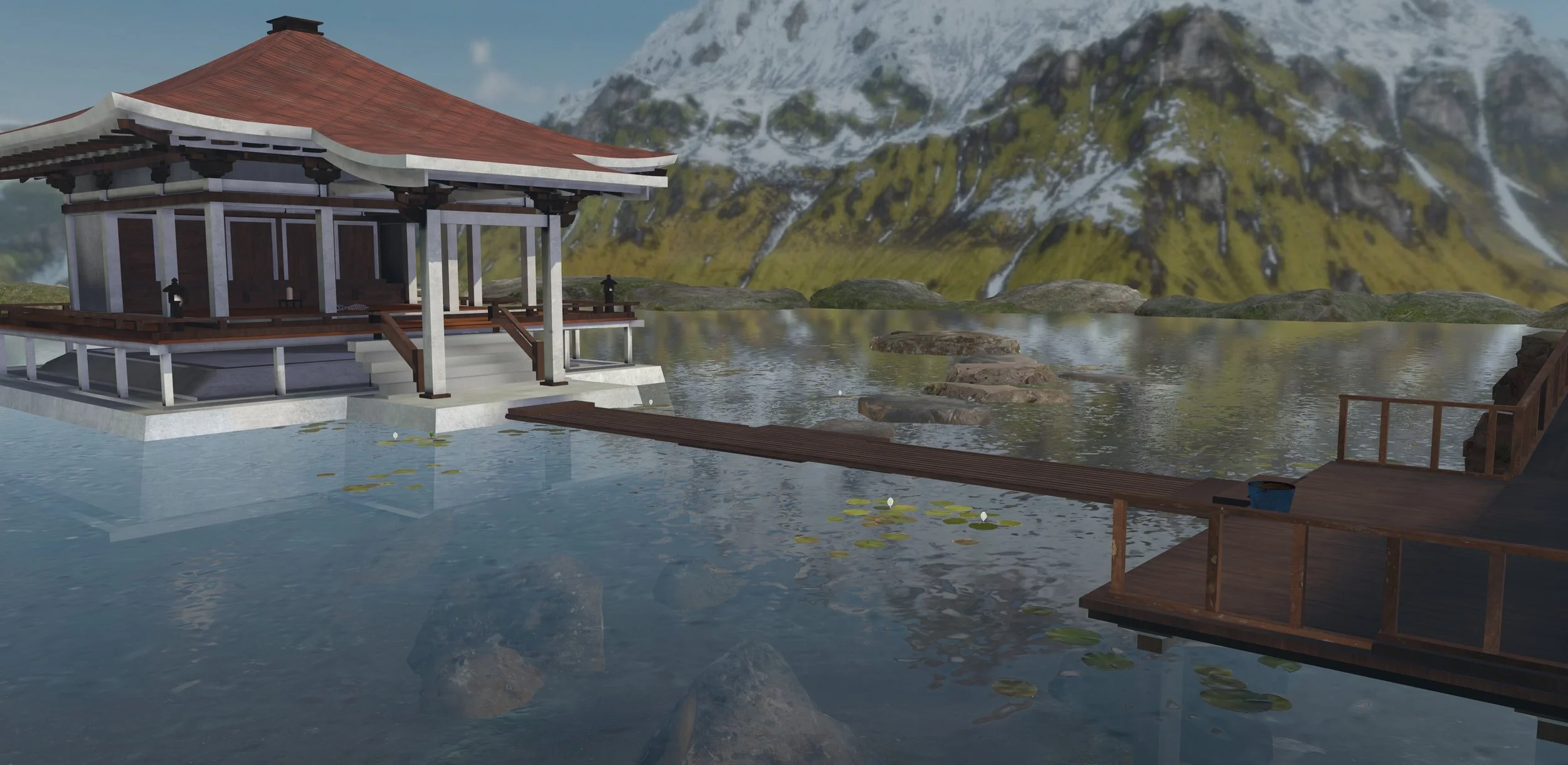

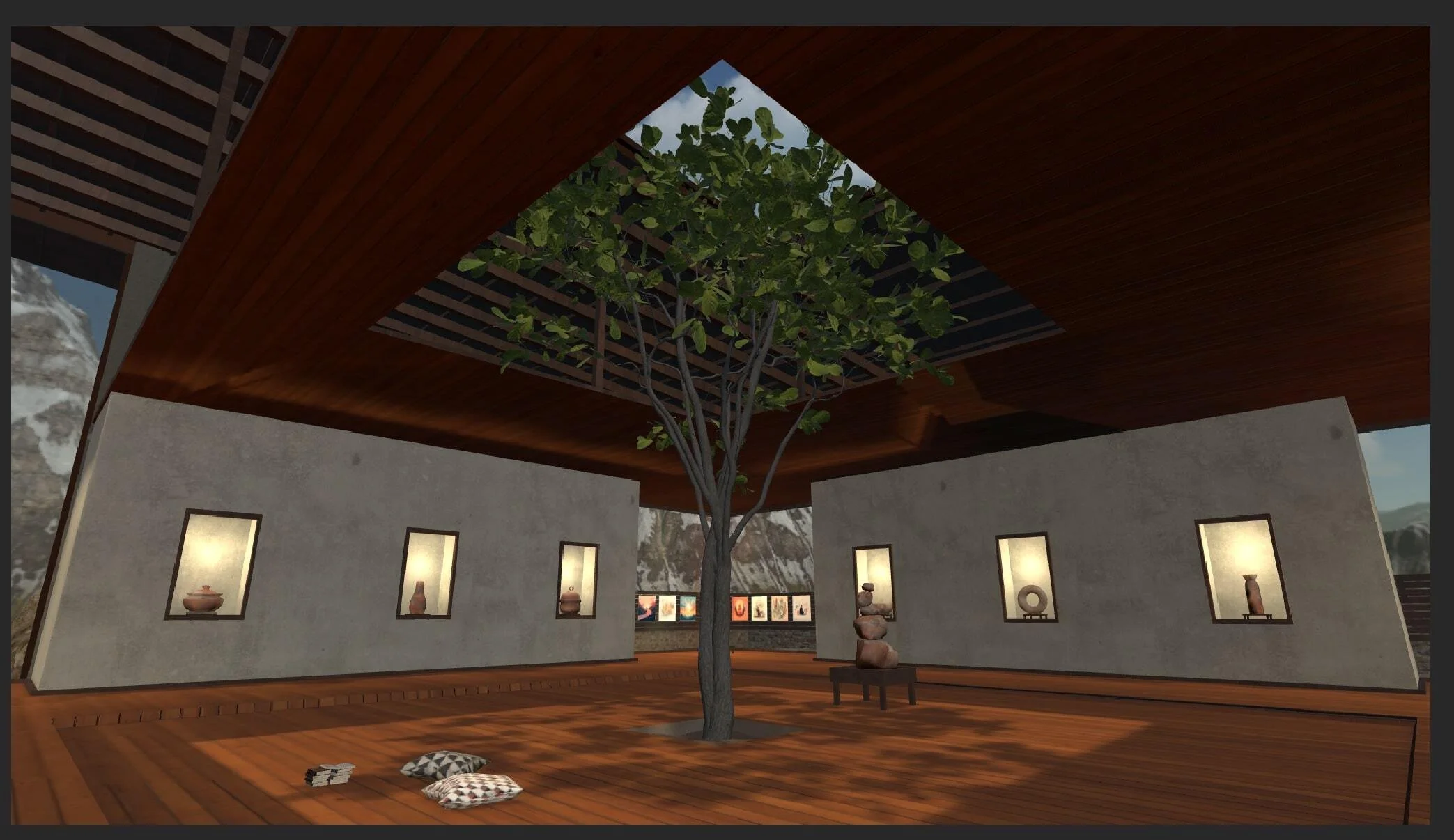
This approach allows structured support to be accessed in community settings, such as libraries, or at home, with only light-touch facilitation and minimal waiting lists. By reducing reliance on traditional delivery mechanisms, Tend aims to help people access support earlier and ease strain on existing services.
Tend’s VR intervention has already shown positive outcomes and the company wants to evolve its offer by working with technical experts to establish a closer relationship between its VR and mobile companion app. Our small grants programme is helping Tend co-design the next iteration of its technology with clinicians and patients so that new features are tested in readiness for real-world use. Our support will, also, enable them to prototype advanced features including motivational messaging and automated progress tracking, to help maintain patient engagement.
As Matthew Hoad-Robson, Founder and CEO of Tend VR, explains:
“For Tend VR, the CHI-Zone small grants programme offers a critical bridge between a market-ready product and a robust, clinically-integrated ecosystem. While our Virtual Reality Mindfulness-Based Intervention (VR-MBI) has already demonstrated high efficacy, this funding and academic support enable us to build a secure communication channel connecting our VR programme, companion mobile app and healthcare systems. By leveraging the technical expertise of the Virtual Engineering Centre (VEC) and Civic Health Innovation Labs (CHIL), we can ensure our architecture meets stringent NHS standards for interoperability and data security. Furthermore, the partnership with Mersey Care NHS Foundation Trust provides invaluable access to real-world clinical validation and co-design.
Ultimately, this support accelerates our journey toward a scalable, data-driven mental health solution that significantly reduces administrative burdens while improving patient outcomes.”
This is exactly the kind of targeted, practical support our small grants programme was established to provide: not just funding, but access to NHS partners, technical expertise and a focus on what it takes to make an intervention adoptable in real healthcare settings.
Professor Dan Joyce, Director of Research and Innovation Mersey Care NHS Foundation Trust, our clinical partner for this work, highlights the specific aspects of the collaboration:
“The focus of our work with Tend VR includes guidance on compliance, support with data sharing between its VR platform and mobile companion app, and advice on navigating the regulatory pathway from Class I to Class II medical devices.
A key challenge in XR is that many solutions are tied to specific hardware, such as VR headsets with particular technical requirements. Tend’s approach aims to democratise immersive digital therapeutics by making them available across multiple platforms. Our role is to support Tend VR in expanding its XR offering beyond VR headsets, ensuring patients can access therapeutic benefits through platforms that are convenient and widely available. This significantly increases accessibility and adoption potential.”
This combination of clinical alignment, regulatory guidance and technical strategy is critical for any XR health solution aiming for NHS adoption.
Mental health services are under enormous pressure, with demand far outstripping capacity. Evidence-based therapies like MBCT help reduce symptoms and prevent relapse, but traditional delivery can be slow and limited by resources. Immersive approaches like Tend’s VR-MBI offer a new access route, freeing up clinical time, reducing waiting lists and giving people structured, repeatable support in environments that suit them.
Our programme will provide Tend with the support needed to make this a reality: building the secure, interoperable systems needed for NHS workflows, co-designing with clinicians and iterating towards a solution that can scale.
Follow us on LinkedIn for the latest developments, and the rest of our Spotlight series, showcasing our XR for Community Healthcare grant awardees.