
From lived experience to real-world impact: in conversation with Faye Boswell
As organisations across health, retail, travel and hospitality place greater emphasis on accessibility and inclusion, understanding the sensory experience of physical environments is becoming increasingly important.
That is the challenge Liverpool-based startup Sensified Spaces is addressing through a new sensory intelligence platform designed to better support neurodivergent people and those with sensory sensitivities.
Founded by Liverpool-based entrepreneur Faye Boswell, Sensified Spaces enables users to access sensory reviews of venues and public spaces before visiting, helping reduce uncertainty and anxiety around unfamiliar environments. At the same time, the platform gives organisations valuable community-led insight into how their spaces are experienced and where improvements can be made.
The business is part of Citizen First LCR, an initiative supporting community-based entrepreneurs to develop businesses rooted in lived experience. Delivered by Public Life and supported through the University of Liverpool, the programme helps founders turn early-stage ideas into scalable ventures that address health challenges.
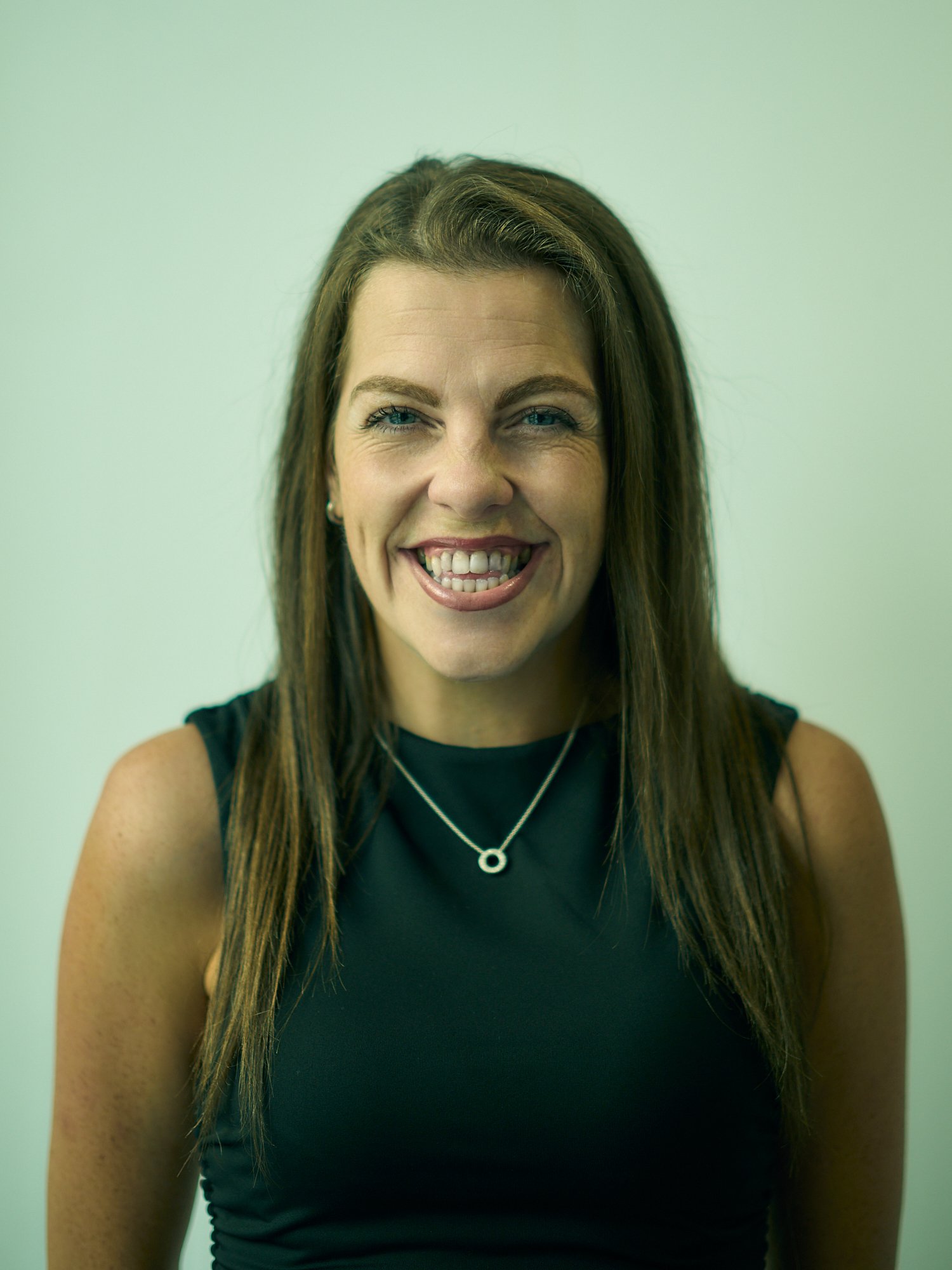
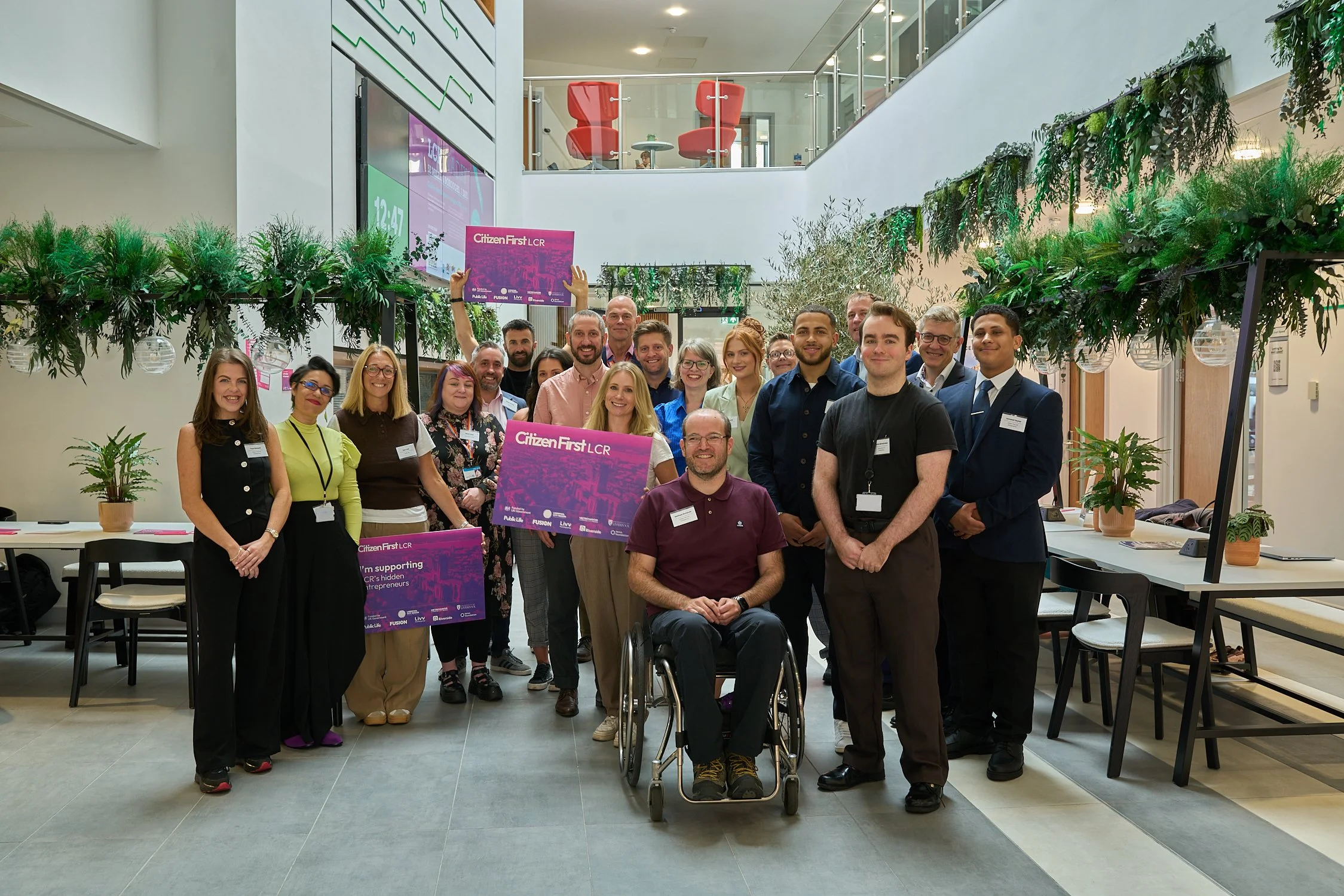
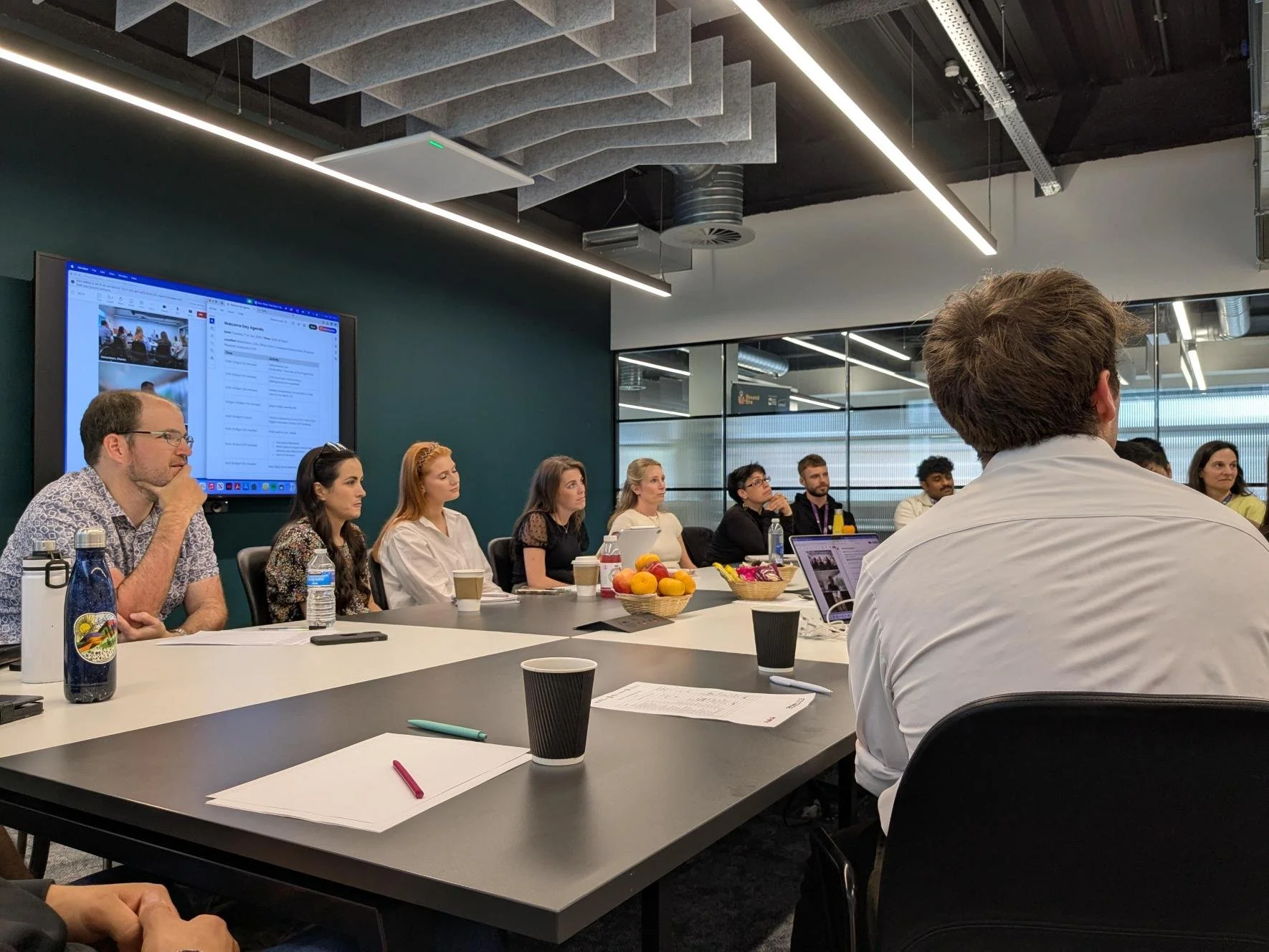
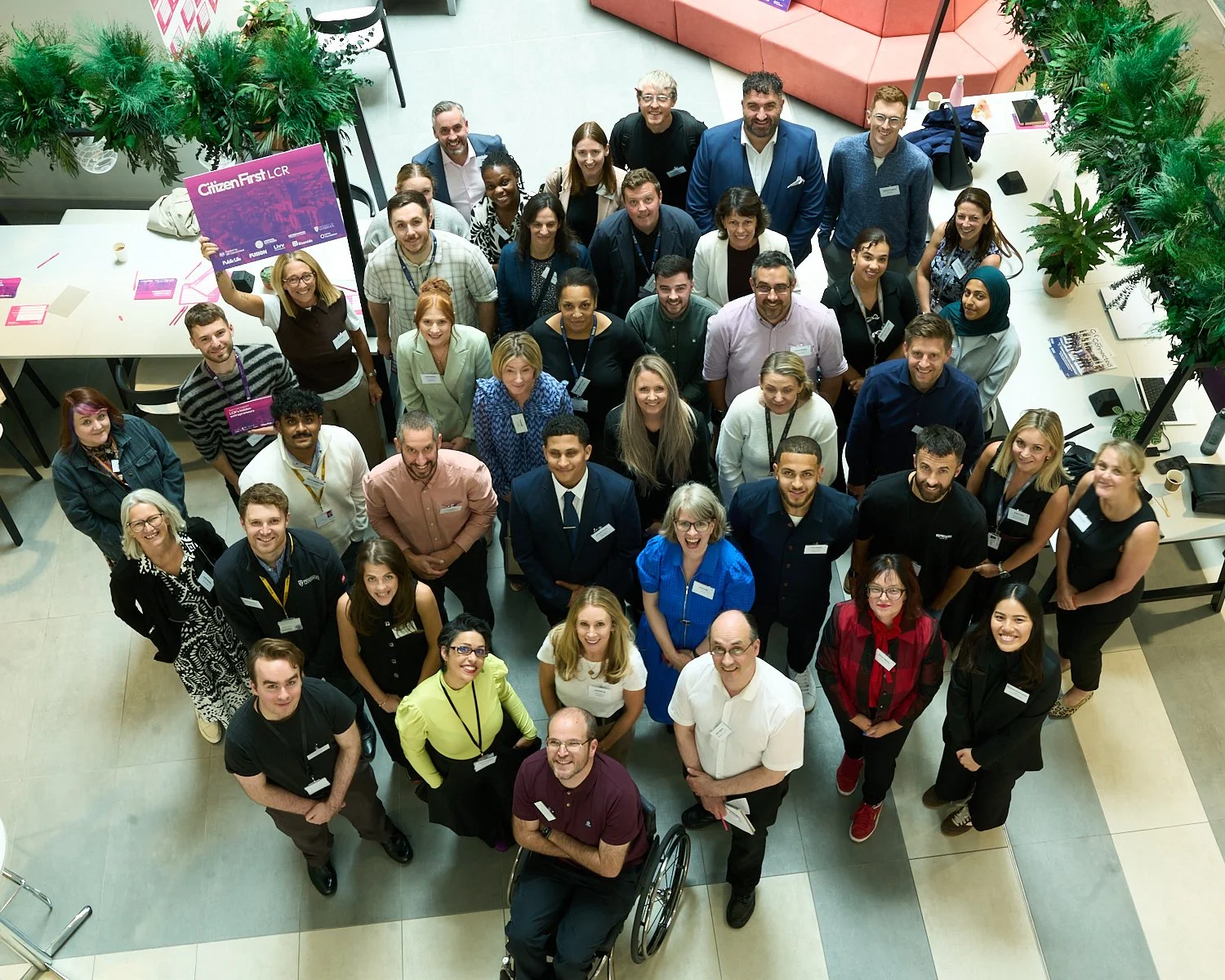
For Faye, the idea emerged through both personal experience and her professional background in travel and hospitality.
“Initially it started with my older sister and her little one who are both neurodivergent,” she explains. “I watched my sister spending hours trying to look through TripAdvisor and direct websites to work out how places could support her. There was no dedicated platform she could turn to.”
Working in the travel industry also exposed wider gaps in accessibility information, particularly for families trying to plan holidays, days out and visits to unfamiliar venues.
The concept for Sensified Spaces crystallised during a visit to the Kennedy Space Centre in the United States.
“There was a sensory scale stuck to the wall outside one of the attractions,” says Faye. “It was just on a piece of paper, and it wasn’t available digitally. I instantly thought how much that could help people and how it could be applied to so many different venues.”
The market opportunity for accessible and inclusive environments continues to grow. Around 15% of people in the UK are neurodivergent, with many more people experiencing sensory sensitivities. While awareness of sensory accessibility is increasing across both public and private sectors, many organisations still lack the tools and data needed to understand how their environments are experienced by users.
For Faye, joining Citizen First LCR became a key step in turning the concept into a viable business.
“A year ago, I felt stuck,” she says. “I had this idea and I knew it could help people, but I didn’t have the time, the resources or the knowledge to build it properly.”
Through the programme, Faye has worked closely with teams across the University of Liverpool, including the CHI-Zone and the VEC. That support has included branding and communications guidance, business development support and technical expertise to help develop an MVP of the Sensified Spaces app.
“Working with the VEC means I now have my MVP built and being tested by community ambassadors. I would never have gotten to that point without the expertise of the University of Liverpool.”
Alongside technical support, Faye highlights the value of having access to a wider innovation ecosystem that has helped her in securing grant funding earlier this year.
“What I’ve loved about being on the programme is that I’ve had the freedom to run with my idea, but I’ve also had that wraparound support,” she explains. “I’ve had people I can reach out to across all areas of the business.”
This collaborative model reflects CHI-Zone’s wider approach to supporting innovation in healthtech, bringing together entrepreneurs, researchers, technologists and organisations to co-develop solutions with both commercial potential and measurable social impact.
Now, Sensified Spaces is preparing for its next stage, with plans to launch publicly across the Liverpool City Region this summer. Pilot partnerships already include organisations such as Liverpool John Lennon Airport and Liverpool ONE, alongside wider venue collaborations across the region.
By combining lived experience, technology and community insight, Sensified Spaces is helping create a future where more people can feel confident, supported and included in the spaces around them.
For Faye, the mission remains simple:
“The next challenge is spreading the word within the community and letting people know we’re here to help.”
If you’d like to support Sensified Spaces, you can sign up to test the platform and provide reviews of the pilot partner venues. Reach out to Faye Boswell here.