
Spotlight: vTime – AI-generated immersive training for healthcare
Our Extended Reality (XR) for Community Healthcare Grants Programme is designed to help SMEs explore, develop and test XR technologies that are geared towards NHS adoption. We provide companies with targeted support, involving academic experts and technical specialists from the University’s Virtual Engineering Centre (VEC) as well as clinicians and patients from our NHS partners. Our aim is to improve outcomes for patients and professionals whilst supporting the growth of XR businesses working with the health sector in the UK.
One of this year’s grant recipients, Liverpool-based vTime, is adapting its AI-driven immersive training platform for community healthcare through Project Seacole, enabling healthcare staff and patients to practise complex interactions in safe, repeatable virtual environments.
Healthcare staff are regularly expected to navigate sensitive and emotionally complex conversations with patients in distress, families in difficult moments, or colleagues under pressure. Opportunities to practise these interactions safely and repeatedly are rare. Traditional role play can be effective but is very costly to run, dependent on actors and physical spaces, and difficult to scale consistently across teams and trusts.
vTime’s Montessori platform approaches this differently. It uses AI to generate branching dialogue, character performances and decision trees from prompts or existing clinical materials. Scenarios can be drafted in minutes and refined by clinical educators without technical expertise. The result is a system designed not just to deliver training, but to put the creation of training in the hands of the people who know the content best.
Professor Dan Joyce, Director of Research and Innovation Mersey Care NHS Foundation Trust, our clinical partner of this work, said:
“VTime is using VR and generative AI to create editable, immersive training scenarios for healthcare professionals. Its platform allows trainers to quickly build realistic scenarios with minimal instruction and no heavy coding, using a generative AI backend. The key strength is flexibility. Trainers can dynamically generate scenarios that reflect common clinical encounters or difficult conversations, whether with patients or colleagues, and adapt them quickly as needs change. This is particularly valuable in healthcare, where training must respond rapidly to real-world pressures.”
Project Seacole adapts Montessori for community healthcare, developing two illustrative scenarios to test the platform in practice. The first places healthcare staff, beginning with frontline reception and administrative roles, inside an AI-driven scenario with a patient, navigating sensitive interactions with branching outcomes shaped by the path the learner takes. The second is patient-facing, designed to help individuals understand and prepare for clinical processes through interactive, decision-based learning. Importantly, both scenarios are accessible beyond VR headsets, with the platform running on desktop and mobile as well, reaching learners wherever they are.
Co-design with clinicians and patient representatives from Mersey Care NHS Foundation Trust is central to how the scenarios are shaped, with the University of Liverpool expertise to ensure findings are rigorous and meaningful beyond the project itself. The grant programme is also helping the development of a guided scenario-creation wizard, making the authoring process accessible to clinical educators and patients, alongside enhanced accessibility features including captioning and gaze-based navigation.
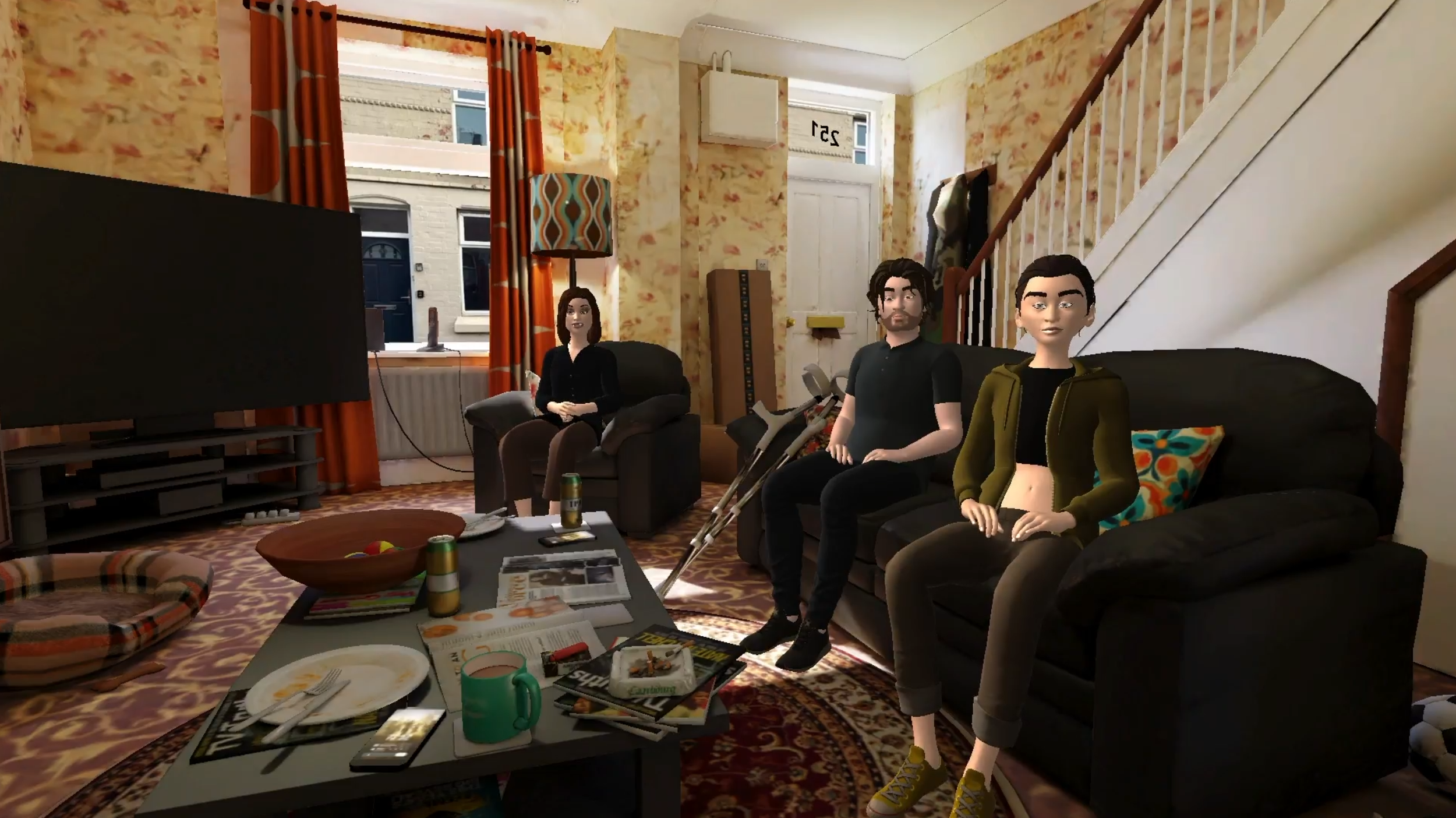
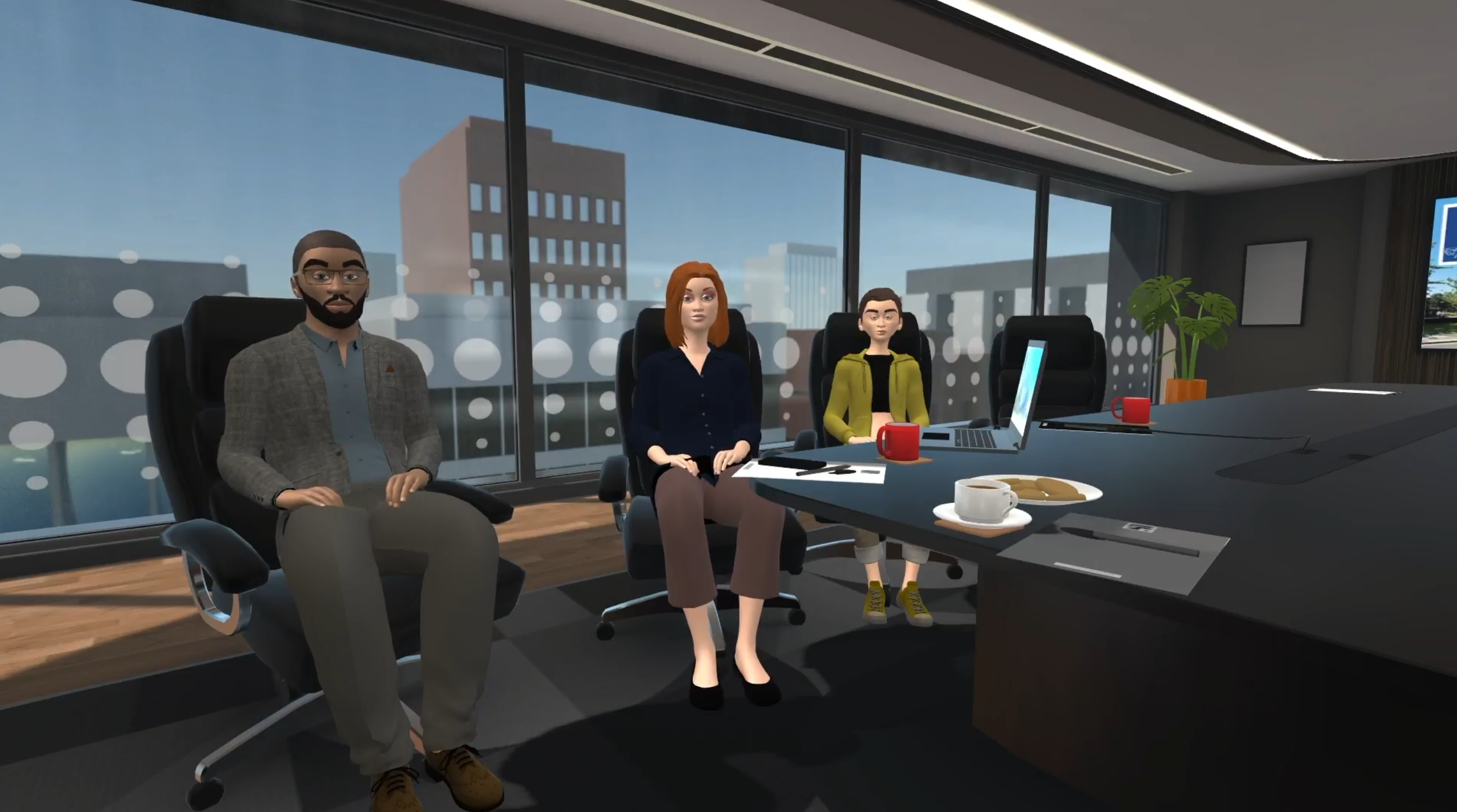
Founded in Liverpool in 2015, vTime develops immersive digital experiences and simulation systems across entertainment, education and training.
Phil Matthews, Project Lead and CPO at vTime, said:
“We build games for a living, but the underlying skills involved - immersive storytelling, branching decisions, and believable characters - have applications well beyond entertainment. Project Seacole is about putting those skills to work in healthcare, collaborating with institutions we're proud to have on our doorstep. The Liverpool City Region has extraordinary expertise in health and academia, and finding ways to collaborate with that community is something our team genuinely values.”
Long-term, the ambition extends beyond the two initial scenarios. A validated, replicable model for AI-generated NHS training content would allow trusts to build their own scenario libraries at a fraction of the current cost and time. The broader vision is a platform that serves not just healthcare training but adjacent sectors, including therapy, corporate training and patient education, using the same underlying capability to generate human, consequence-driven experiences at scale.
Through CHI-Zone XR for Community Healthcare grants programme, vTime is demonstrating how generative AI and immersive technology can shift simulation from bespoke production to scalable creation, enabling healthcare organisations to design, adapt and deliver training experiences that reflect the realities of practice.
Follow us on LinkedIn for the latest programme developments and find previous Spotlight posts here.