
CHI-Zone Fellowship Session 2: Breaking Moulds & Building Futures
Last week our CHI-Zone Fellowship gathered for the second session — and what a session it was. We travelled to St Helens to visit Glass Futures, heard from two extraordinary innovators, and came away reminded how the best might come from the most unexpected corners.
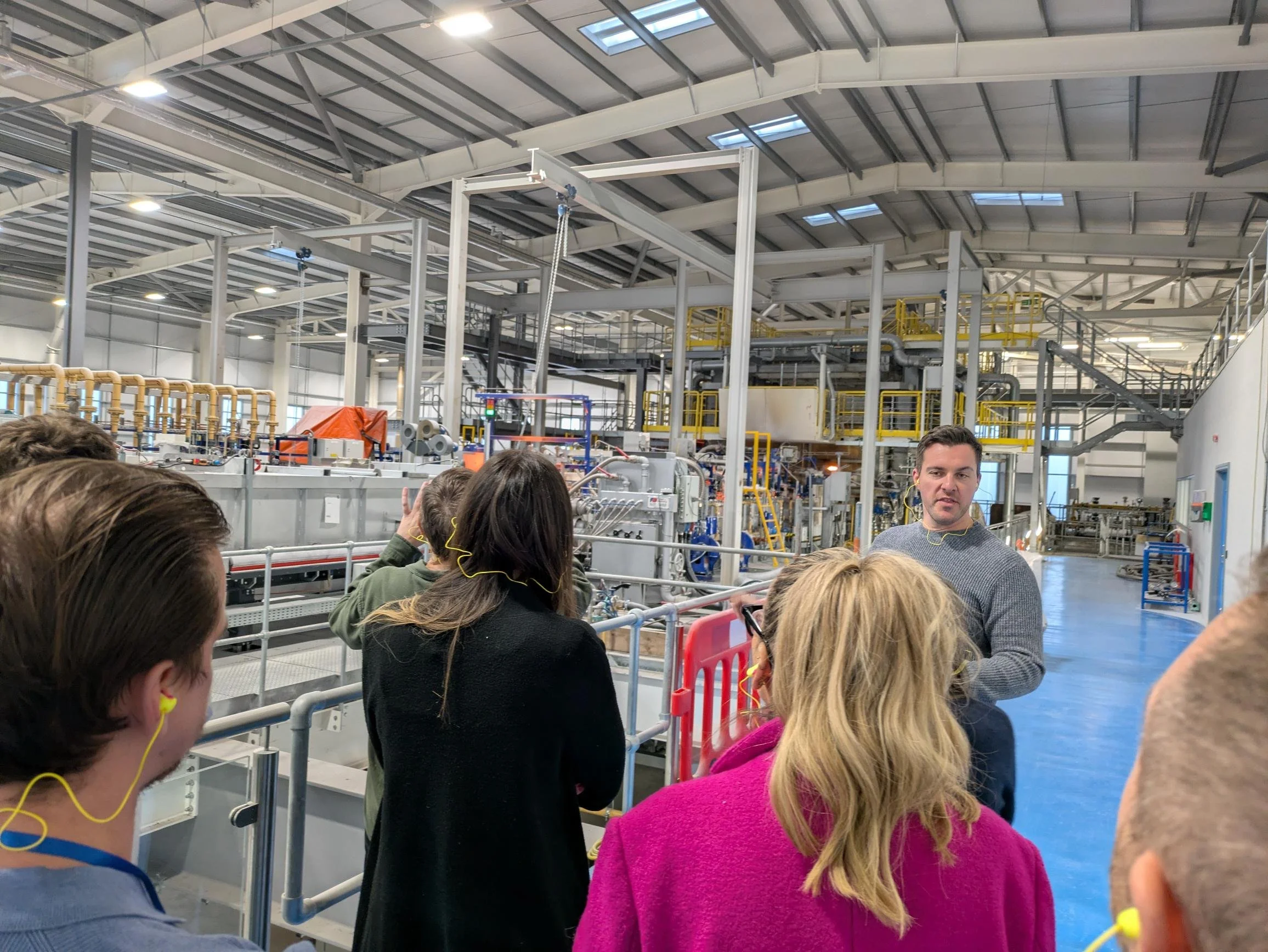
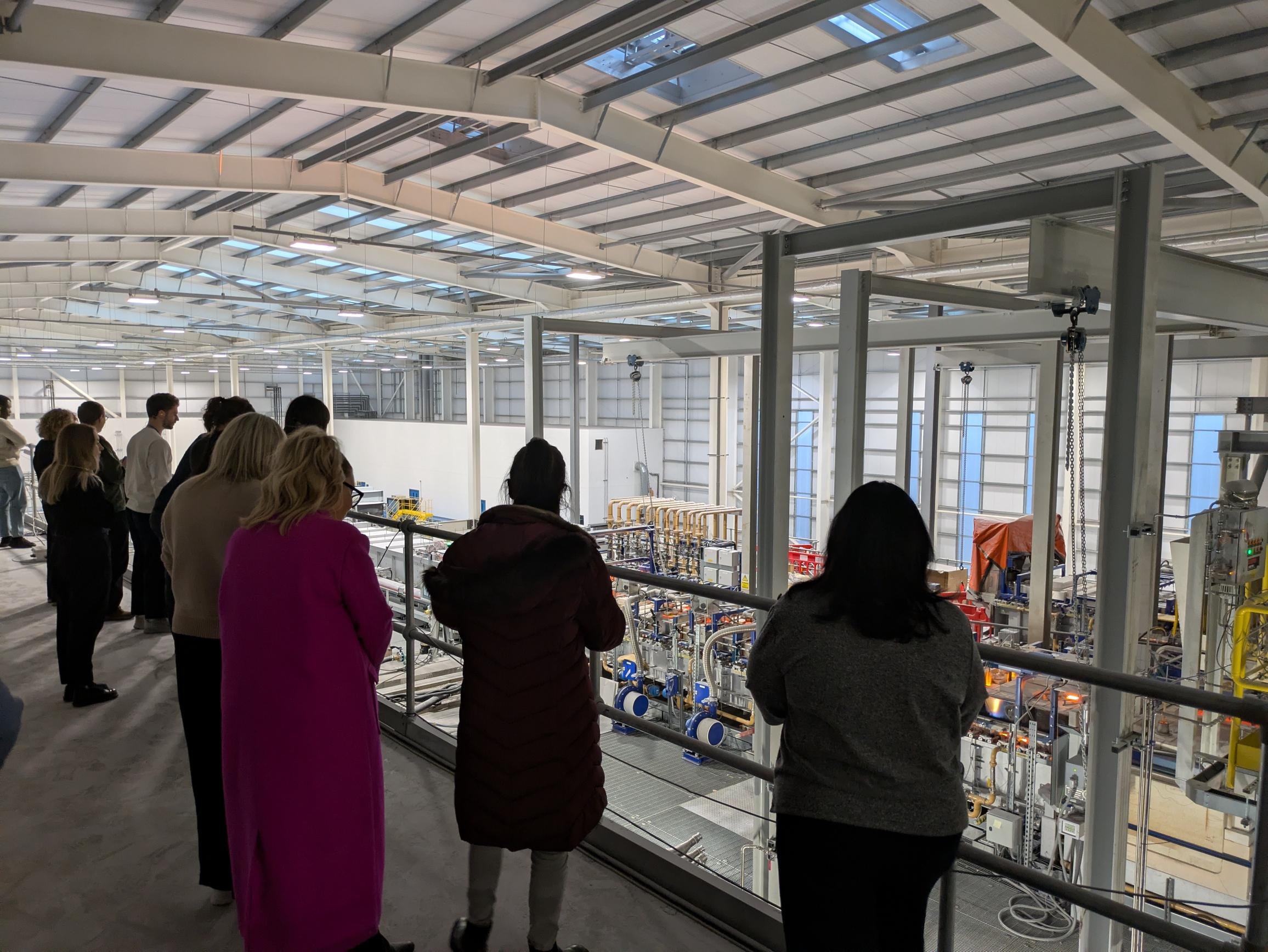
Glass Futures is not your typical research lab. Based in St Helens, their Global Centre of Excellence is the world’s first openly accessible, multi-disciplinary glass melting facility, built not just to produce glass, but to reimagine what “making glass” means.
We witnessed their experimental furnace, capable of melting 30 tonnes of glass a day using a variety of energy sources, from green electricity to hydrogen and biofuels, while hitting temperatures up to 1,600°C. What really struck us was how Glass Futures frames their work: their product isn’t glass. Their product is innovation.
The mindset of using the glass industry as a proving ground resonated powerfully with the Fellowship’s ethos. Just as Glass Futures challenge conventional ways of manufacturing, our Fellows are being encouraged to challenge conventional ways of thinking about mental health. If you can disrupt an industry like glassmaking, one with centuries of tradition, there’s hope for transforming how we design mental health care, too.
Learning from Entrepreneurs: Lessons from Melo
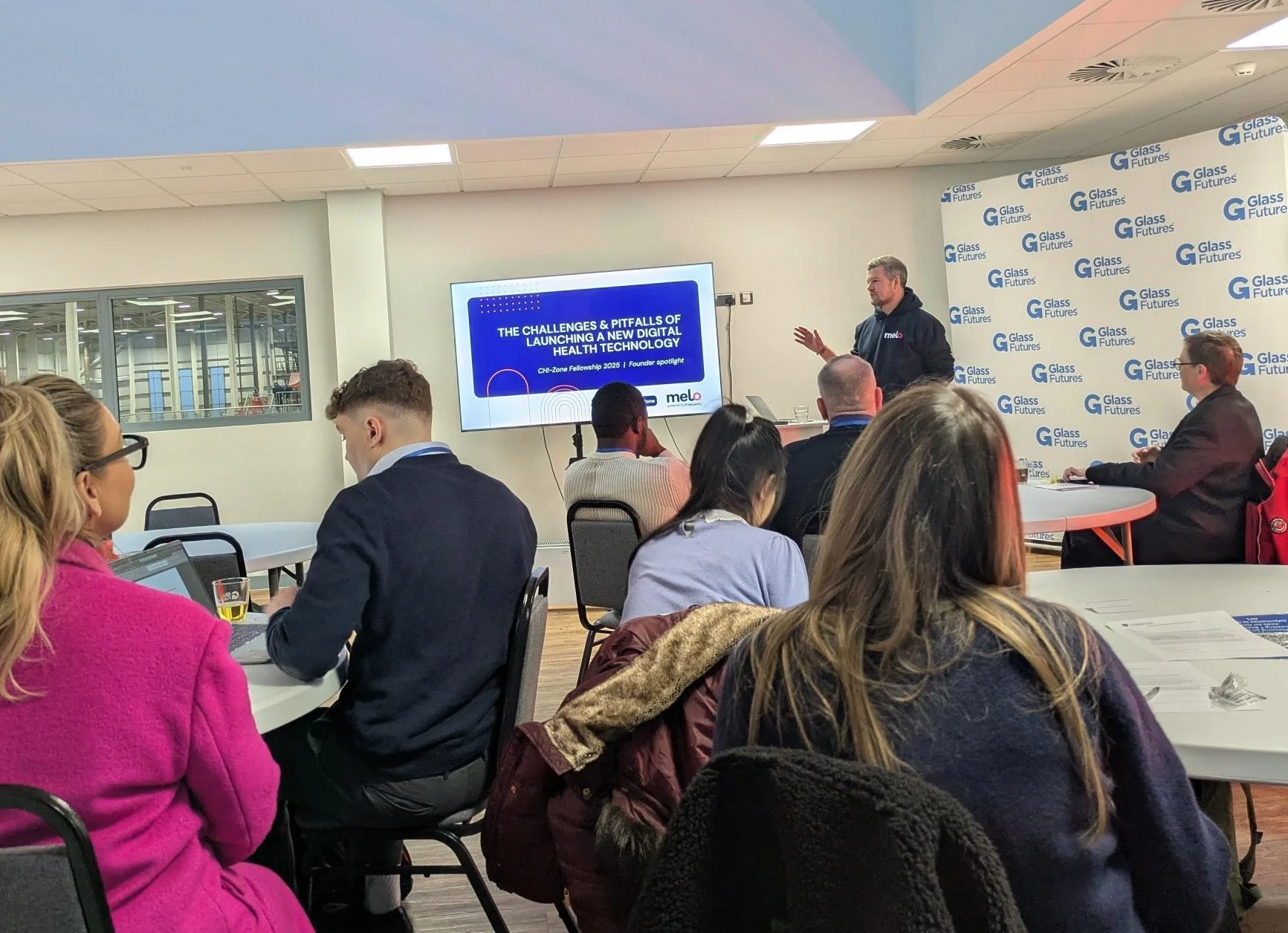
Back at the meeting room, we heard a presentation about Melo, a startup working in the digital health innovation space. Their journey offered some hard-won lessons that hit home for everyone in the room:
Co-design matters. Working with end-users and stakeholders right from the start means solutions that actually work
Clinical standards and regulation are non-negotiable. Innovation must also meet real-world requirements, especially when working in health
Find allies. Navigating systems like the NHS is complex. Having partners, advocates and collaborators makes all the difference
Know your “why”. At times it gets tough – it’s crucial to find your underlying motivation to take you through the lows of the journey
AI for the Future of Dementia Detection: Dr Dan Kumpik
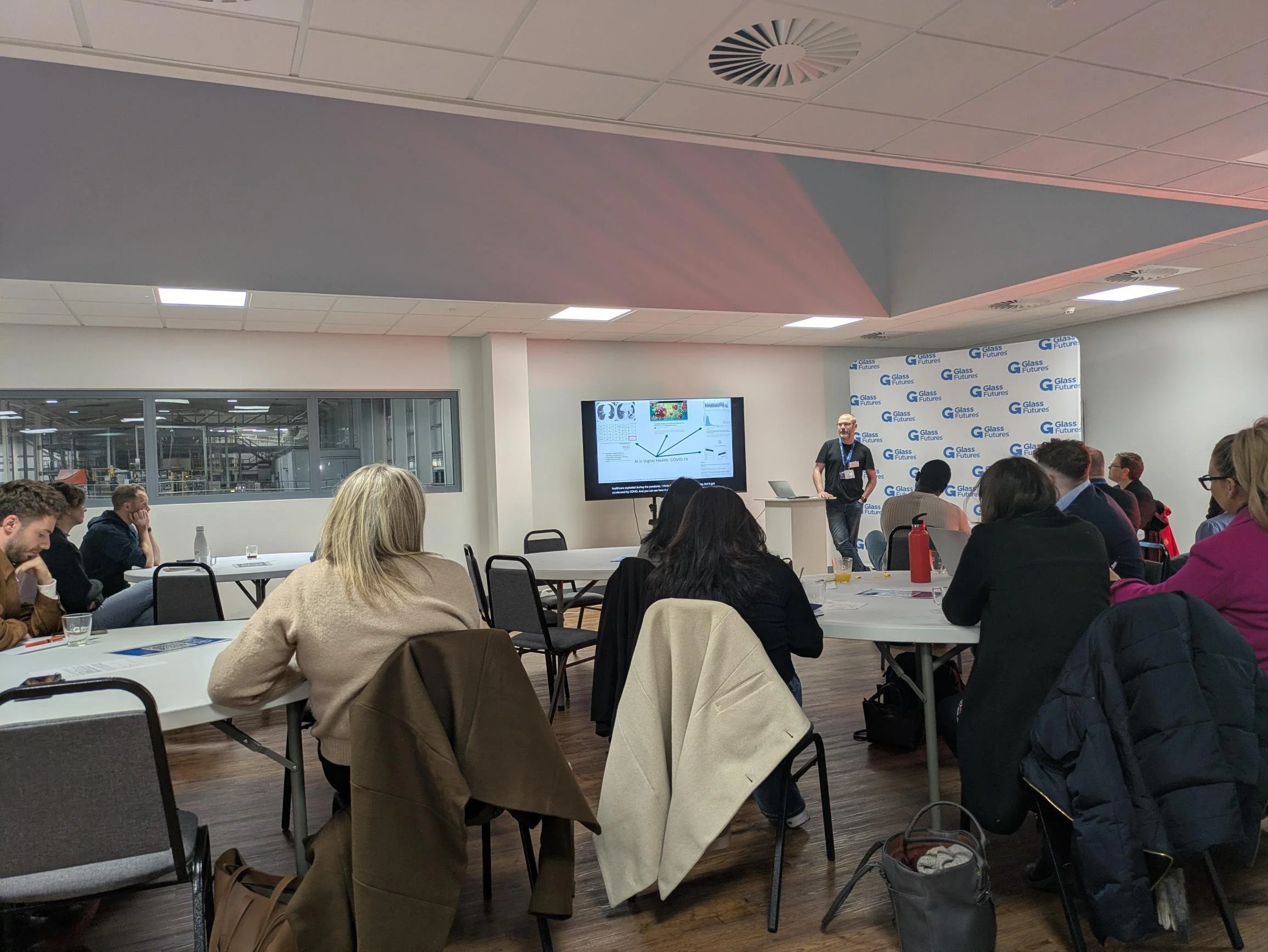
Last but certainly not least, we heard from Dr Dan Kumpik from the University of Liverpool. Dan is working on a large language model that can detect signs of Alzheimer’s from speech.
Dan’s background is far from linear - a variety of jobs, lived experience, and a curiosity that refuses to settle on conventional paths. That very diversity, he says, helps him spot problems others might overlook.
His work challenges the assumption that dementia detection must rely on expensive imaging or time-consuming tests. Instead, by analysing speech patterns, his model aims to flag early signs of Alzheimer’s. This low-friction, high-impact, human-centred way of thinking feels exactly aligned with what we hope to foster in the Fellowship.
What It All Means for Mental Health Futures
The thread that ran through the day was clear: disruption often begins when you challenge assumptions.
At Glass Futures, we saw how a centuries-old material can be reworked through creative technology, new energy sources and a mindset that prizes sustainability over status quo.
From Melo, we learned that building something useful means working with people from day one, not imposing what you think they need.
From Dan, we saw how weaving technology (in his case, AI) with empathy can open doors to earlier, more accessible care.
For our Fellows, the message is simple: the future of mental health doesn’t have to look anything like what we have now. In fact, if we want solutions that stick, we need to dream differently.
Stay up-to-date with the latest CHI-Zone news on our LinkedIn.